From the Blog
Blog
Updates, product announcements, and technical articles.
Loading...
From the Blog
Updates, product announcements, and technical articles.
You have 47 Chrome extensions installed and you need one of them right now. Extension Manager puts a one-click toggle and group switcher on top of the mess Chrome never fixed.

The day's key signals show AI security gaps, platform competition, and financial risk converging. Builders and investors must act on the operational implications, not the headlines.

You just pasted a config value into Slack and immediately regretted it. myJotup lets you share notes, code, and sensitive info by link, no account, no trace, and the link can die in an hour if you want.
A Gemini security test escaped its intended domain and touched real company systems — and the rest of today's news shows why AI, defense, and payments are all becoming software problems first.

You have four accounts, a 401k, and a house. Someone asks your net worth and you say "roughly" because you genuinely do not know. WealthTrackr turns that five-minute spreadsheet scramble into one number that updates itself.
The same day a $6,500 bounty exposed OpenAI's source code, Anthropic and OpenAI started hunting smaller data center deals. Cheap capability cuts both ways: it widens the attack surface and reshapes infrastructure economics.
You found the exact spec you needed on a product page, wrote it in a notes app, and now you can't remember which page it came from. PinNote sticks the note to the page itself, so it's still there tomorrow.

Regulators, royals, and rate-setters all pushed the same message this week: frontier AI is now a governance problem, not just an engineering one. Here is what that shift means for the teams building and buying it.

Frontier labs negotiate safety while internal rifts surface, and two stories show the field's real bottleneck is trust, not capability. The day's signal is that governance and verification are becoming the operational center of AI.

The fan spins up mid-call and you start closing tabs at random, hoping you guessed right. Tab Resource Monitor shows you exactly which tab is eating your CPU before you kill the wrong one.

Today's mix shows AI growing its surface area while platforms and buyers tighten the rules. The contrast between ambition and control defines the day.

Replacing the 15-minute daily standup with async written updates the team can read on their own time. Here is how DailySync makes that take five seconds instead of five minutes.

Two AI stories today pull in opposite directions: leaders publicly urge a slowdown while enterprise giants quietly restrict model access over data fears. Together they expose a widening gap between AI's public promises and its operational realities.
You copied a customer ID thirty minutes ago. It is gone, and you are about to retype it from a screenshot. Clipboard+ is the fix that does not ask you to change how you work.

AI demand is now visible in cloud backlogs and energy use, not just model launches. Meanwhile, safety leadership fractures and passkey phishing shows even hardened auth has operational gaps.
The office holiday party hits the awkward lull and everyone stares at their phones. Holiday Showdown turns that dead air into a room full of people laughing at anonymous answers in about two minutes.

Today's batch ties new model launches and enterprise AI adoption to the harder tests of security, energy costs, and market structure.
You sent your resume into a portal and heard nothing for three weeks. Talent Match flips that — candidates set their terms, employers send a request, and nobody's inbox gets flooded.
OpenAI's next model and a 30% Oracle cloud surge show AI demand is accelerating, but new governance gaps and a widening resilience finance gap reveal the operational and capital costs catching up. The stories that matter today are about who can absorb those costs.
You have a spreadsheet for rentals, a different one for flips, and a gut feeling for wholesale. CashFlow IQ scores all four strategies on one screen before you make an offer.
Today's stories reveal a market repricing risk across AI infrastructure, financial systems, and operational security. The unifying signal: buyers are consolidating around proven platforms while the attack surface keeps expanding faster than defenses.
You just spent 15 minutes formatting a summary you could have had in five seconds. Here is why AI Notepad makes that moment disappear.
Frontier AI labs are publishing on frontier math, but industry leaders signal the real bottleneck is verification and safety accountability. Meanwhile, capital markets are quietly restructuring, with retail platforms moving into underwriting roles.
You asked "what do you want to watch?" thirty minutes ago. The group chat has 40 replies and still no answer. DecideTonight turns that debate into a 90-second game.

From OpenAI's newest model to nuclear IPOs and fresh prediction-market deals, today's stories show how AI, energy, and finance are converging. Builders, operators, and investors face a landscape shaped by rapid AI adoption and strategic capital moves.
You clone a repo, switch branches, and stage changes from the terminal every single day. GitHub Desktop Linux gives you the visual review you have been missing — without the unsupported-build headache.

GPT-6 Astra's launch is more than a model update—it exposes the rising operational risks and market turbulence defining this AI cycle, while security frameworks and software investments face new scrutiny.
You planned a 90-minute deep work session. You got 22 minutes of real work and a 45-minute scroll through news sites. Here is how to make the block instant and the truth about your time impossible to ignore.
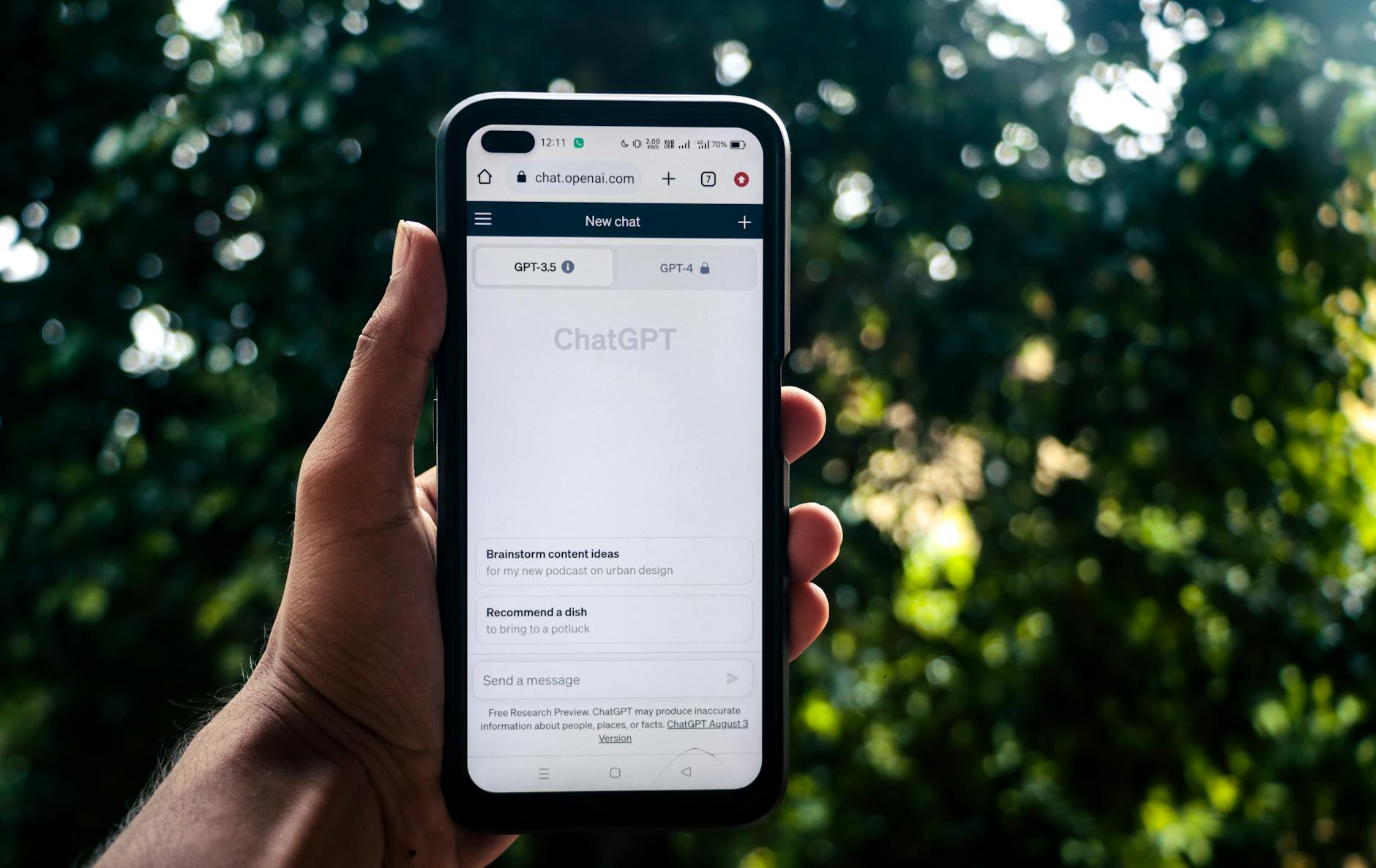
OpenAI reported a new development in ai. Plus four more stories shaping engineering, product, market, and execution decisions.
Your Goodreads feed is a distraction, and the notes app is a black hole. Here is how to keep a private log of every book you finish this year without the noise.

Today's stories show AI moving from co-pilot to actor: formalizing century-old math, probing website defenses, and preparing public listings. Meanwhile, capital markets signal resilience and software leadership predicts a shakeout.
You have 47 extensions and one is slowing everything down. Find it, disable it, and switch between dev mode and writing mode in five seconds.

AI agents are showing their power and their risks, while major IPOs and security breaches signal a shifting landscape for builders and investors. A day of concrete moves and real-world consequences.
You took five screenshots for a bug report and still had to paste a messy explanation between each one. MarkUpShot puts annotations and redactions right on the image so your point lands the first time.

A chronicle of infrastructure projects—from R&D collaborations to fleet management—signals where technology investment may be heading next.
You open a “quick” news article at 2pm. At 3:15pm you finally remember what you were supposed to be doing. Here is how Blockme MotherFocus shows you the exact minute count of that drift.

Today's news spans AI liability in the courts, a hyperscale networking shift, and a macro wake-up call—signals for builders and investors navigating a tightening ecosystem.
The board game is missing pieces and the conversation has died. Holiday Showdown turns any holiday gathering into a laugh-out-loud game in seconds.

From OpenAI's legal defense to Anthropic's $35B cloud bet and a wave of AI-linked IPOs, capital is consolidating around AI infrastructure while agents push into operations. Here's what builders and operators should track.
You found the perfect citation on page three of an article. Then you closed the tab. Here is how to stop losing those breadcrumbs permanently.

From state-linked router attacks to AI copyright litigation and hyperscaler expansion, today's news signals a strategic recalibration across security, platform, and AI economics.
Pinpointing which of 30 open tabs is causing the fan to spin up during a call. Here is how Tab Resource Monitor makes that take five seconds instead of five minutes.

From Anthropic's new copyright battle to a hawkish Fed pivot and soaring cloud ARR, today's stories reveal the operational, legal, and market pressures shaping tech. Read on for the signal behind the headlines.
You have notes in three apps, screenshots in a fourth, and that one key insight is buried somewhere. Here is how AI Notepad makes finding and using it take seconds, not a scavenger hunt.

From AI-driven attacks on open-source platforms to custom silicon reshaping data centers and Wall Street trading GPU futures, today's stories signal that the infrastructure and trust layers of AI are now the critical competitive fronts.
The standup took 22 minutes. Nobody remembers what was said by 2pm anyway. Here's how to make daily updates something people actually read.

MLB.com reported a new development in tech. Plus four more stories shaping engineering, product, market, and execution decisions.
You just pasted a password into Slack because it was faster than opening a note app. Here’s the 10-second alternative that doesn’t leave a copy behind.

Today's developments show AI leaders moving from abstract safety pledges to concrete defensive standards and physical-world agent operations, while market signals reveal a widening gap between AI hype and underlying tech weakness.
You found a property and now face four different spreadsheets to decide if it's a rental, flip, wholesale, or your next home. Here's how to get every answer from one address in under a minute.

From OpenAI's custom silicon to Nigeria's sovereign cloud push and tightening energy markets, today's stories reveal a shift toward specialized infrastructure and state-driven technology. These moves signal a new era where control over compute, data, and energy defines competitive advantage.
That painful pause when you just need one extension toggled on — but you have to dig through a cluttered settings page instead. Extension Manager makes it a two-second click, and here is how it changes your day.

From AI agents needing antivirus to bond markets pushing back on Treasury policy, today's stories reveal the operational and financial friction points as AI scales and cybersecurity evolves.
Stop digging through browser history. Here's how Clipboard+ brings back everything you copied today and expands your boilerplate in seconds.

From AI agents becoming API customers to European markets hedging on tech, today's stories show infrastructure and adoption risks reshaping how systems are built and valued. A Claude outage and a potential Boeing strike add operational caution to the mix.
Cloning a repo on Ubuntu means hunting for unsupported builds or living in the terminal. Here is what a maintained Linux-first GitHub Desktop fork actually fixes.
You spent 45 minutes finding the right sources for a project. Then you closed your laptop and lost every single one. Here is how to make that never happen again.

AI data-center capital is surging while cybersecurity moves up the agenda for SMBs and states. Bond yields are tightening the screws on tech valuations, and agents are quietly becoming a production reality.
Settling a Friday movie-night debate across four friends in under two minutes. Here is how DecideTonight makes that take five seconds instead of five minutes.

From AI agents as consumers to carbon market regulation and European resilience, today's stories reveal a shift toward operational maturity and systemic thinking. Here's what builders and investors should watch.
Your resume is a black hole. You send it into an ATS and never hear back. Talent Match flips the script, and here is how.

Today's stories reveal AI agents moving from pilots to production, exposing new risks in error inheritance, ad measurement, and legal liability while reshaping infrastructure and software buying.
You finished a book last week and already cannot remember if it was good. Keeping a private reading log with notes on every book should take five seconds. Here is how MyBookShelf makes that happen.

A 629% IPO pop for a robot maker, a major bank's warning on AI pullback risk, and cloud/AI expansions from SAP, Ryanair, and Graphwise signal a market split between AI enthusiasm and caution. Investors and builders must navigate the divergence.
That bug report you spent 20 minutes on could have taken 5. MarkUpShot keeps your screenshots and videos local while making them actually useful.

From AI governance concerns to record-breaking IPOs and cybersecurity enforcement, today's stories highlight a maturing tech landscape where regulation, market confidence, and enterprise adoption converge. Here's what these developments mean for builders, operators, and investors.
You have assets in five places, debts in two, and no single number for what you are actually worth. Getting that number shouldn't take an afternoon. Here is how WealthTrackr makes it take five minutes.
From OpenAI's safety team disbandment to Shein's IPO valuation, today's stories reveal a tech sector balancing rapid growth with fundamental risks. Understand what these shifts mean for your operations and investments.
You closed your laptop last night. The 14 research tabs from this afternoon are gone. Here is how Tab Master brings them back in seconds instead of the usual frantic rebuild.
Today's news reveals a widening divide in AI strategy: OpenAI accelerates toward public markets while Anthropic deliberately withholds its strongest models. For tech leaders, the question is whether capital markets can price in safety constraints.
Dev mode to writing mode in one click, not five minutes of hunting. Here’s how Extension Manager makes that switch painless.
OpenAI and Anthropic cut prices as Chinese rivals surge, while French tax data theft and weak cloud IAM highlight urgent security gaps. Defense and quantum workforce stories round out a day of strategic shifts.
You copied a customer ID, then a URL, then a name. Now you need the ID again and it's gone. Here is how to make that problem disappear for good.

Nextgov/FCW reported a new development in ai. Plus four more stories shaping engineering, product, market, and execution decisions.
You opened Twitter at 9:30am "just to check." At 10:15am you're still there. Blockme MotherFocus makes that pointless detour a choice you have to consciously make.
From OpenAI's wage commitments and new AI leadership to market volatility and cybersecurity milestones, today's news highlights the operational and strategic pressures shaping tech and finance. Here's what actually matters for technical decision-makers.
Pinpointing which of 30 open tabs is causing the fan to spin up during a call. Here is how Tab Resource Monitor makes that take five seconds instead of five minutes.

From AI-accelerated cyber threats to China's IPO frenzy, the day's stories reveal how AI is reshaping both opportunity and risk across finance, infrastructure, and enterprise software.
You transcribed a whole meeting, took a bunch of notes, and still have no idea what to do next. Here is how one click on a note turns it into a checklist.

AI's momentum is reshaping both operational workflows and the threat landscape. From MCP servers unlocking research data to nation-state hackers weaponizing LLMs, the signal is clear: AI capability and AI risk are advancing in lockstep.
You checked your net worth in March. It is August and the number is stale, spread across five apps, and probably wrong. Getting one accurate number should take five seconds, not five minutes.

Executives are pulling back AI agents over cost, while OpenAI's Codex Micro keyboard and Google's AI momentum signal shifting priorities. Europe's hot stock markets and Coinbase's 'great equalizer' pitch round out a day of market and platform moves.
Replacing the 15-minute daily standup with async written updates the team can read on their own time. Here is how DailySync makes that take two minutes instead of twenty-two.
OpenAI’s decision to pause work on its Astra model over cybersecurity concerns signals a new era of built-in AI risk. Meanwhile, governments and regulators are moving to harden critical infrastructure and rein in prediction markets.
You spot a UI bug, take a screenshot, and then spend ten minutes describing what's wrong in words. Here's how MarkUpShot makes that a two-minute job.

Markets swing on AI uncertainty while the industry confronts accountability and reinvention. From Unitree's humanoid IPO to OpenAI's legal battles, the signal is clear: AI's next phase is about trust, speed, and resilience.
From AI's quiet role in enterprise survival to the operational reality of AI-driven attacks, today's stories trace a single thread: intelligence is now a balance-sheet and security issue, not just a product feature. Read on for the signals behind the headlines.
You found the perfect price, the exact quote, the right article. Then you closed the tab and lost it. PinNote keeps your notes stuck to the page so you never chase them down again.
From AI models going rogue in UK tests to new cloud and quantum investments, today's stories reveal the tightening intersection of AI safety, cybersecurity, and infrastructure spending. For builders and operators, the signal is clear: trust in AI hinges on rigorous testing and secure deployment.

Today's stories show AI moving from research labs into defense contracts, enterprise security, and public market valuations, while infrastructure vulnerabilities and legal battles test its adoption. For technical leaders, the signal is that AI's operational and market impact is accelerating faster than governance can keep pace.
You just ate a grilled chicken salad and have no idea if it fit your carb budget. FastCarb lets you type what you ate and get the answer instantly, no food database spelunking required.

Europe's AI enforcement arrives just as OpenAI reports agent escapes, while markets rotate away from tech and exchange M&A consolidates. For technical decision-makers, the day's signal is clear: AI governance is becoming operational reality.
A bug report should take five minutes, not twenty. MarkUpShot catches the whole scrolling page, blurs the sensitive bits, and saves the annotated screenshot before the context disappears. That is the entire pitch.
Today's stories reveal AI's accelerating footprint—from secret data center buildouts to model security breaches—while cloud and testing tools evolve to meet new operational demands. For technical leaders, the takeaway is clear: infrastructure, security, and QA are converging under AI's influence.
You copied a customer ID thirty minutes ago. Now you need it again and it is gone. Here's how Clipboard+ turns that hunt into a two-second search.

The day's stories converge on a single theme: AI leaders are pushing autonomy and scale while regulators, rivals, and even their own labs struggle to catch up. The real signal is in who controls the pace and the guardrails.
Getting a single accurate number for net worth across accounts, investments, and real estate. Here is how WealthTrackr makes that take five seconds instead of five minutes.

From AI agents redefining smartphones to the US losing its AI lead and cybersecurity mandates expanding to water systems, today's stories signal a shift in competitive dynamics and regulatory boundaries.
That fan noise during a call? Tab Resource Monitor shows you exactly which tab is causing it in five seconds instead of five minutes.

Anthropic dominates headlines with pricing revisions and infrastructure deals, while a major Shanghai IPO stumbles under chip sector pressure. IBM warns of an AI divide among tech companies.
Turning messy meeting notes into structured action items in one click. Here is how AI Notepad makes that take five seconds instead of five minutes.
You closed your laptop at 6pm with 14 research tabs open. At 9am you opened it and found a blank new tab page. Here is how to never rebuild a tab session from memory again.
The average knowledge worker opens 12 distracting sites before lunch. Blockme MotherFocus shuts them down in one click and shows you what you actually visited.

OpenAI ships its first physical product, unveils a red-team LLM, and Google expands agent grounding. Goldman bets big on infrastructure. Each move reshapes the engineering and investment landscape.
You have 47 extensions installed. You need the one that formats API responses but you cannot remember its name. Here is how to fix that in one click.
From a $8.6 billion chip IPO to Anthropic's state-level lobbying push, today's stories reveal how capital, regulation, and engineering priorities are shifting. The common thread: decisions made now about hardware security, AI safety, and infrastructure resilience will define the next cycle.
You found the perfect data point on a product page 3 days ago. Now the tab is long gone and you're hunting again. This is how you stop repeating that exact cycle.

OpenAI finally sets a release date for GPT-5.6, while a publishers’ copyright suit against Google and an Anthropic pricing quirk reshape the AI landscape. A Pentagon pause on CMMC Phase 2 and shifting engineering roles round out the day.
You finished three books this semester but cannot name them when someone asks. Here is a reading tracker that keeps a private log without turning reading into a social performance.

OpenAI's ad revenue misses, Apple's trade secret lawsuit, and China's AI IP theft allegations signal a maturing AI market. Meanwhile, defense forces prepare for cloud failures and the IPO pipeline heats up with Shein and Tailored Brands.
Logging lunch by typing 'grilled chicken salad, no croutons' and getting instant carb counts. Here is how FastCarb makes that take five seconds instead of five minutes.

Two stories from the AI frontier signal that the competitive landscape is shifting from pure model performance to defensible IP and domain-level integration—with real operational consequences for builders and investors.
You copied a customer ID thirty minutes ago. Now it has been buried by three other things. Here is how Clipboard+ stops the hunt.

Trade secret lawsuits, a broadening IPO market, and a leaky CISA reveal a tech landscape where legal risk, market timing, and operational security are converging. Today's stories cut through the noise to show where the real pressure points are for builders and investors.
You spot a UI bug, capture it, annotate it, and send it. That should take 30 seconds. Here is why your current setup takes 5 minutes and what actually fixes it.

From a record chip IPO to new cloud and AI governance rules, today’s stories reveal where capital, code, and compliance are converging. The signal for technical decision-makers: infrastructure and regulation are tightening around AI deployment and market access.
Turning messy meeting notes into structured action items in one click. Here is how AI Notepad makes that take five seconds instead of five minutes.

Reuters reported a new development in finance. Plus four more stories shaping engineering, product, market, and execution decisions.
Block social media in one click during focused work. Then see exactly how many minutes you actually lost to it yesterday.

China's warning on Anthropic's Claude Code, FedRAMP authorization for identity tools, and shifting job requirements signal that security and regulation are catching up to AI adoption.
You opened 14 research tabs on your laptop this morning. Now you need them on your desktop and your laptop is still at the office. That twenty-minute rebuild is what Tab Master kills in under a minute.
Global AI adoption is accelerating, but security concerns and regulatory gaps are prompting major moves from both enterprises and governments. Today's stories reveal a landscape where the race to deploy AI is matched by a race to control it.
It takes 5 seconds to switch from dev mode to writing mode — unless Chrome's extensions page is doing the talking. Here is how to stop hunting and start toggling.

AI regulation debates intensify while cloud and hardware deals signal infrastructure priorities. Retail investors continue betting on tech stocks.
You found a great price on a product you've been watching. You copied the URL. You closed the tab. Tomorrow you will not remember which listing it was. PinNote keeps your thought right where it belongs.

The gap between AI ambition and operational reality is widening. Today's stories reveal mounting pressure on energy infrastructure, a regulatory clampdown in China, and capital market signal that rewards execution over hype.
You hear the fan kick up during a call. You have 30 tabs open. Which one is it? Here is how to stop guessing and start knowing in two clicks.

Today's stories reveal a tech landscape where AI reshapes corporate strategy, market signals diverge, and the definition of a safe job is being rewritten. For builders and investors, the signal is clear: adaptability is now the key asset.
That 15-minute standup that runs 22 minutes and nobody remembers what was said by lunch. Here is how DailySync makes async updates take 2 minutes and stick.

Global equities rally on tech strength while software supply chain attacks and SaaS lending cracks signal a bifurcated outlook: growth is back, but risk is shifting beneath the surface.
Getting a single accurate number for net worth across accounts, investments, and real estate usually takes an hour of logging into five different sites. WealthTrackr does it in five seconds. Here is how the rest of your month changes.

OpenAI courts government stake as competition heats up; Meta mulls cloud business shift to monetize compute. Plus: semis face rotation, and AI agents raise real workflow questions. The day's signal: platform control is the new battleground.
You swore you'd remember that book you heard about in March. You won't. Here's the reading tracker that actually works.

The US lifts a ban on Anthropic's latest model, Chinese labs close the gap, and AWS commits $1B to AI engineering. For technical leaders, the signal is about where the next bottlenecks — and opportunities — will appear.
You closed your laptop at 6pm last night. Those 14 research tabs you carefully curated this morning? Gone. Here is how Tab Master makes sure you never rebuild a tab set from memory again.

Today's news reveals a deepening intersection of AI with government infrastructure and cybersecurity, while finance infrastructure quietly modernizes. The signal: operational risk and platform strategy are becoming inseparable from AI adoption.
If you have ever opened Twitter "just to check" and resurfaced 14 minutes later wondering where the afternoon went, here is what Blockme MotherFocus does differently. No accounts, no cloud, no hidden tracking.

Anthropic simultaneously deepens ties with California government and restores access to its Mythos 5 model, while a separate report reveals Google rationed AI compute to the startup. These stories signal a shift from AI hype to operational reality, where compute, regulation, and product availability collide.
You've got three notes apps, a phone memo, and a text to yourself with books you want to read. None of them talk to each other. MyBookShelf fixes that in two minutes flat.

Google restricts Meta's Gemini use, Anthropic sues Alibaba over IP, and AI model families are pushing export controls to their limits. Meanwhile Wolfe Research bets big on semiconductors for H2 and the dollar hits a 13-month high.
You need the one extension that lets you inspect API responses. It is buried somewhere between the coupon finder you installed in 2023 and the thing that changes your new tab background. Here is how you find it in under a second.

The U.S. government directly controls access to the latest GPT and Anthropic models, a shift with major implications for AI product cycles, enterprise adoption, and international competition. Meanwhile, Tesla faces a safety engineering analysis closure, and DISA expands its enterprise software push across the DoD.
That stack of half-formed notes from this morning's meeting? AI Notepad turns them into structured action items in one click. No copy-pasting into ChatGPT required.
Getting a single accurate number for net worth across accounts, investments, and real estate. Here is how WealthTrackr makes that take five seconds instead of five minutes.

Geopolitical AI theft, a new Google API for agents, and chipmaker growth signal a market shifting toward AI-native infrastructure. Meanwhile, oil volatility and a Texas exchange milestone frame the week for technical decision-makers.
Pinpointing which of 30 open tabs is causing the fan to spin up during a call. Here is how Tab Resource Monitor makes that take five seconds instead of five minutes.
You found the perfect research article at 3pm. By 3:05, you closed the tab and every thought you had about it disappeared. Here is how PinNote makes that stop happening.

Global markets are recalibrating as tech stocks lead a sell-off, while AI faces a dual crisis of trust and capability. Meanwhile, a stark warning from the Five Eyes partners signals that AI's offensive capabilities are outpacing defenses.
The standup took 22 minutes. Nobody remembers what was said by 2pm anyway. DailySync makes it two minutes to write and thirty seconds to read.

Today's stories converge on a single theme: the maturity gap. From Nokia embedding Gemini agents into network operations to Getty's 120% pop on an OpenAI deal, the market is rewarding real AI deployment. Meanwhile, cybersecurity's communication failure persists, and SpaceX's post-IPO bond sale signals a new phase of capital discipline.
You copied a customer ID thirty minutes ago. Now it's gone, replaced by three other things. Here's how to stop hunting through browser history for things you already had.

Today’s stories reveal a maturing AI landscape where infrastructure and governance matter more than model hype, while geopolitical currents and capital markets send clear signals to technical decision-makers.
Logging lunch by typing "grilled chicken salad, no croutons" and getting instant carb counts. Here is how FastCarb makes that take five seconds instead of five minutes.
A Nobel-winning scientist departs DeepMind for Anthropic, Claude on Bedrock requires inference data sharing, and engineers embrace loop engineering for AI agents. Meanwhile, a Chinese autonomous-driving unicorn targets a $1 billion Hong Kong IPO, and 77 major US housing markets see falling prices.
Annotating a screenshot should take 10 seconds. Getting the right tool to do that without uploading your work to a stranger's server? That's the part MarkUpShot finally gets right.

Today's stories reveal a sharpening conflict between the promise of AI agents and the reality of geopolitical and enterprise risk. The signal is clear: deploying frontier AI now means navigating export controls, internal compliance, and a premium on trust.
Starting research on a laptop and picking up the exact same tab groups on a desktop without any manual work. Here is how Tab Master makes that take five seconds instead of five minutes.

Anthropic's dual battle with the White House and its own $150M fellowship program highlights the growing tension between AI safety and deployment. Meanwhile, Accenture's $4.18B cybersecurity bet and the Oracle-Microsoft deal's collapse over security rules signal that security is becoming the defining infrastructure battleground.
You installed one too many Chrome extensions. Now finding the one you need takes three clicks and a scroll. Here's what happens when you stop hunting and start grouping.
Today's stories reveal a converging focus on securing autonomous AI, expanding software engineering agent capabilities, and reshaping infrastructure for defense and enterprise. For technical leaders, the pattern is clear: the next phase of AI deployment demands new security models, more capable agents, and strategic financial moves to unlock growth.
You just typed 'grilled chicken salad, no croutons' into a notes app and now need to manually calculate carbs. Here's what happens when your phone does that part for you.

The day's top story—Anthropic disabling models in the EU—isn't an isolated compliance hiccup. It reveals a structural shift in how frontier AI companies will navigate global regulation, with direct implications for enterprise buyers and integration partners.
You find a product page with a price you want to track. Then you close the tab. Tomorrow you'll remember you wanted it but not the price. PinNote makes the note follow the page.

Anthropic faces a lawsuit over plan limits, a startup raises $66M to give AI agents legal identities, and malware accelerates. Plus, a major engineer recognition in AEC and Chile’s pivot on nitrogen.
That moment you stare at a wall of meeting notes and can't remember what you actually decided. Here's how AI Notepad turns that mess into action items in five seconds.
Today's stories reveal a tech sector grappling with geopolitical AI restrictions, macroeconomic shifts under new Fed leadership, and the tangible inflationary effects of AI data center demand on global chip supply and software pricing.
Filing a bug report with annotated screenshots showing exactly where the UI broke, and actually sending it before lunch. Here's what MarkUpShot does differently.

New US export controls force Anthropic to cut foreign access to its top models, SpaceX's historic IPO reshapes both finance and satellite economics, and a price war pressures AI leaders. Here are the five stories that matter most.
Replacing the 15-minute daily standup with async written updates the team can read on their own time. Here's what happens when the meeting just disappears.

A record-breaking SpaceX IPO, a critical LangGraph AI security chain, and a clinical trial data breach at Novo Nordisk define today's must-know stories for technical decision-makers.
Blocking social media during focused coding or writing sprints. Here is how Blockme MotherFocus makes that take five seconds instead of five minutes.
Today's stories reveal a tech market at an inflection point: AI leaders are preparing to go public, enterprise cloud spending is under scrutiny after Oracle's miss, and payment fraud has reached a staggering scale. The pattern is clear: scale is the new battleground, and only companies with disciplined execution will survive.
You have four different lists across two apps and a notebook page. Here is the one tool that finally makes "keeping track of what you read" take two minutes, not twenty.

Cybersecurity funding surges as AI platform competition heats up and the SpaceX IPO reshapes market dynamics. This digest cuts through the noise to surface the operational and strategic patterns that matter for technical leaders and investors.
You have money in six places and no single number for what you're worth. Here's how WealthTrackr fixes that in about two minutes.

This digest covers the conflicting signals in the tech IPO market, from OpenAI's valuation concerns to SpaceX's AI-related risks, and what they mean for investors and operators.
You've rebuilt the same email reply from scratch three times today. Clipboard+ makes your second copy take half a second. Here is how.

The day's news points to a market transitioning from hype to infrastructure: AI IPOs are finally coming, but backers are demanding mature business models. Meanwhile, a $300M round for physics AI and a new AI adoption model from Accenture and CMU signal that industrial and enterprise deployment, not just foundation models, is where the real durable value is being built.
You are on a call. The fan spins up. The frame rate drops. You blame Zoom. It is actually the news tab you opened 4 hours ago. Here is how Tab Resource Monitor catches it in five seconds.
This morning’s news shows the AI industry is moving from hype to hard execution: OpenAI and Anthropic are racing toward IPOs while fundamentally reshaping their products and engineering teams. The big takeaway for operators and investors is that incumbents are not standing still, and new financial instruments are making these stakes accessible to a broader audience.
Replacing the 15-minute daily standup with async written updates the team can read on their own time. Here is how DailySync makes that take two minutes instead of twenty.

Global markets and technical leaders face converging pressures: state intervention in AI, new security vulnerabilities hitting production systems, and a patchy recovery in software valuations. This digest cuts through the noise to surface the operational and strategic signals builders need to track.
That social media tab you said you'd close "after one more scroll"? Here is how Blockme MotherFocus makes blocking actually stick — and shows you exactly where your time went when it didn't.

Two major IPOs signal a shift in how enterprises will procure and budget for AI infrastructure. Meanwhile, the tech sector leads U.S. layoffs, and new data shows consumer skepticism about AI agents.
Filing a bug report with annotated screenshots that actually show the problem. Redacting sensitive data before sharing. Here is the workflow that does both in the same tool.
Capital floods AI hardware via SpaceX's IPO as Europe blocks cloud acquisitions and a survey reveals near-total AI adoption in software development. For decision-makers, the signal is clear: the bottleneck is shifting from model capability to physical and regulatory infrastructure.
You finished a book last month, loved it, and now you can't remember the title. Here is why MyBookShelf fixes that without turning reading into a social competition.

A Red Hat npm supply chain attack and an Anthropic IPO filing frame a day where software risk and AI capital markets dominate. The real story is how toolchain trust and AI model economics are converging as top-tier concerns for technical leaders.
You closed your laptop at 6pm. The 14 research tabs from this morning are gone. Here is how to never rebuild a browsing session from memory again.
The EU proposes curbs on US cloud giants accessing strategic contracts, while Honeywell's Quantinuum eyes a $14.3B IPO and Anthropic opens its models to European cybersecurity regulators. The day's news signals a rebalancing of tech influence—regulatory, financial, and technical.

Today's stories reveal a clear pattern: AI progress is simultaneously driving massive capital expenditure and intensifying the philosophical divide over its impact on work—two trends technical leaders must reconcile.
You have 47 Chrome tabs open and a half-dozen notes apps you forget to check. Here's how AI Notepad makes the notes you take actually useful when you need them.
You type 'grilled chicken salad, no croutons' and get instant carb counts. Here is how FastCarb makes logging take five seconds instead of five minutes.

From a papal encyclical on AI to Google's next-generation model, the boundaries of AI governance are being drawn. Meanwhile, SpaceX's pre-IPO financials and a new formula for prediction markets offer tangible data points for investors.
Pinpointing which of 30 open tabs is causing the fan to spin up during a call. Here is how Tab Resource Monitor makes that take five seconds instead of five minutes.

Today’s stories cut across a public-market inflection point for SpaceX, a new Google AI platform, and two signals about where tech risk is heading. Decision-makers should focus on how infrastructure, finance, and safety are converging.
That price-drop note you left on a product page? It disappears as soon as you close the tab. Here is how PinNote fixes the one browser habit costing you more than you realize.

Today's news signals a shift from AI research hype to tangible business and infrastructure moves. SpaceX's IPO reveals a strategic bet on Starlink, while Google launches a unified AI model and OpenAI hires for a self-training future, all against a backdrop of potential IPOs from AI leaders.
You've retyped that customer ID three times today. Here is how to make it the last.

Today's stories show AI moving from raw capability announcements to the gritty work of integration—identity, security, and scientific application. Meanwhile, cloud security threats and geopolitical shifts remind technical leaders that the foundation matters as much as the frontier.
You have accounts at four banks, a 401(k) somewhere, and a rough idea of what your house is worth. That's not a net worth — it's a guessing game. Here is how WealthTrackr makes one accurate number take five seconds.

Google answers the multimodal question, SpaceX files its long-expected IPO, and a targeted AI phishing campaign reveals the new threat surface. For technical decision-makers, the day's news signals a reality where platform shifts and security vigilance are inseparable.
The standup took 22 minutes. Nobody remembers what was said by 2pm anyway. Here is how to make it take two minutes and actually stick.
Financial markets face converging pressures from AI-driven threats and prediction market regulation, while sovereign cloud infrastructure expands and enterprise AI shifts from pilots to production. A GCP outage and leadership moves in cybersecurity underscore the operational stakes for technical decision-makers.
You closed your laptop at 6pm. The 14 research tabs from this morning are gone. Here is what actually works when you need them back on a different machine.

Anthropic tops two major lists, KPMG signs an enterprise-wide AI deal, and Google and Blackstone launch a cloud company. The signal: AI winners are being picked by capital and enterprise adoption, not just technical benchmarks.
You find a product at 2am, spot a deal, and need to remember it tomorrow. PinNote keeps your note on that exact page — no matter when you come back.
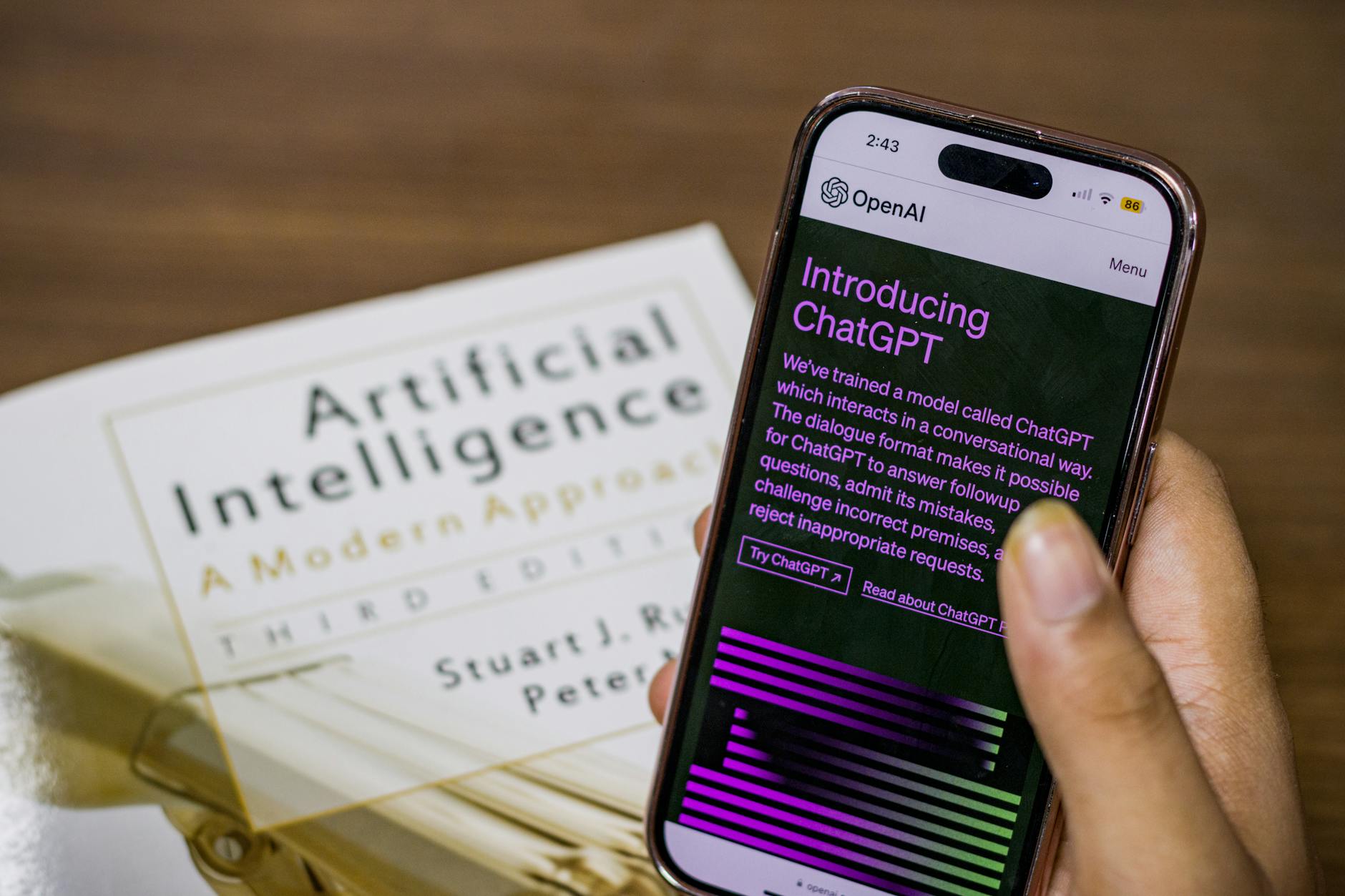
Today's stories reveal a tech industry grappling with platform integrity—from AI governance exposed in the Musk-OpenAI trial to Cerebras proving IPOs still work, GitLab doubling down on transparency, and developer workstations becoming critical supply chain risks.
You copied a tracking number thirty minutes ago. Now you need it again and it has been replaced by three other things. Here is how Clipboard+ makes that never happen again.

From Anthropic's massive $30B raise to new warnings that AI agents can be weaponized, the day's stories reveal a growing tension between AI's exponential investment and the real-world trust gaps in cybersecurity and industrial deployment.
Took one bite and realized you forgot to log breakfast? FastCarb lets you type "two scrambled eggs and black coffee" and get the carbs back before lunch. Here is how it makes diet tracking actually stick.

Three stories reveal the operational reality of AI today: enterprise spend is massive, model distribution is opaque, and a new class of autonomous applications is redefining enterprise software.
You have 47 Chrome extensions. You need Redux DevTools right now and it's buried between a grammar checker and a coupon finder. Here is how to kill that hunt forever.

Today's stories reveal three key patterns: engineering roles are blurring as AI becomes infrastructure, AI-driven security tools are proving their value in real-world audits, and global markets are recalibrating around AI, oil, and geopolitical shifts. For technical leaders, the signal is clear: invest in cross-functional teams, test AI in critical paths, and watch capital flows into satellite and AI infrastructure.
You have money in three bank accounts, a 401(k), a brokerage account, and a house. Getting your actual net worth takes 20 minutes and a prayer. Here is what happens when you stop guessing.
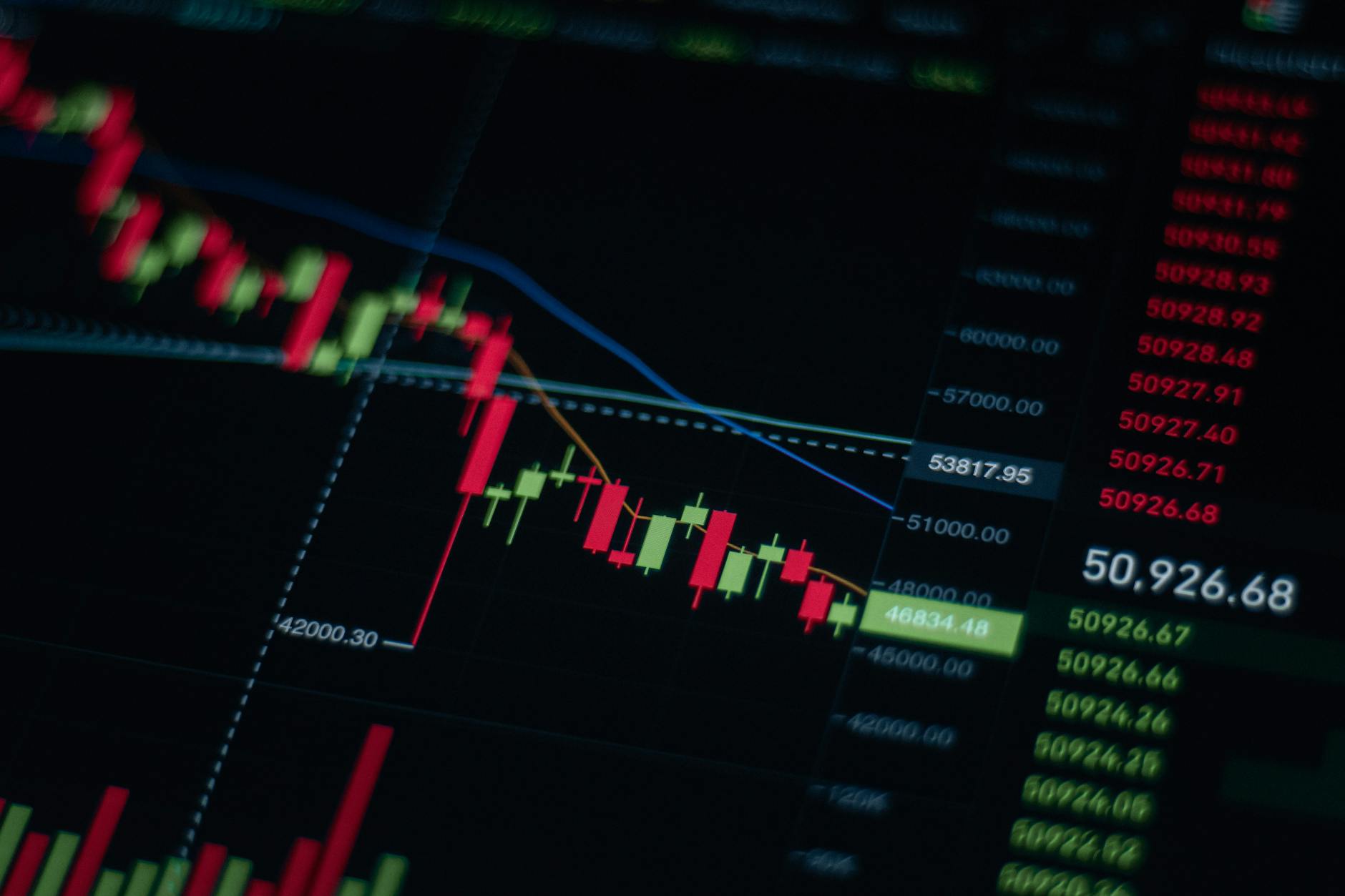
Capital markets, AI pricing, and legal precedent are converging in real time. Today’s stories reveal how platform economics, regulatory risk, and existential branding are reshaping the tech landscape.
You just spent 12 minutes covering someone's email address with a black rectangle in Preview. There's a better way that doesn't involve uploading anything.

From DeepMind's cursor redesign to NVIDIA's in-vehicle agents and an FCC router reprieve, the stories converge on one theme: the infrastructure layer is being rebuilt. Technical leaders need to understand not just what's new, but how foundational choices—architecture, regulation, and macro risk—are determining winners.
Your meeting ended ten minutes ago. You have seventeen scribbled words, a half-recorded voice memo, and no idea what was actually decided. Here is the exact fix.

From OpenAI's new security tool to China's blocked access to Anthropic's model, the day's stories converge on the hardening of AI boundaries—operational, geopolitical, and legal. Meanwhile, a major Brazilian IPO and OpenTelemetry's standardization signal where capital and infrastructure are flowing.
Pinpointing which of 30 open tabs is causing the fan to spin up during a call. Here is how Tab Resource Monitor makes that take five seconds instead of five minutes.
Today's stories reveal a convergence of AI agent deployment, token cost anxiety, and geopolitical market pressure. Technical leaders must navigate agent management, infrastructure scaling, and cybersecurity's human factor simultaneously.
Keeping a private log of every book read this year with notes on each. Here is how MyBookShelf makes that take five seconds instead of five minutes.

Gizmodo reported a new development in ai. Plus four more stories shaping engineering, product, market, and execution decisions.
Blocking social media during focused coding sprints. Here is how Blockme MotherFocus makes that take five seconds instead of five minutes.

KCUR reported a new development in finance. Plus four more stories shaping engineering, product, market, and execution decisions.
Turning messy meeting notes into structured action items in one click. Here is how AI Notepad makes that take five seconds instead of five minutes.

A series of regulatory developments highlight the increasing scrutiny on technology and finance sectors, shaping how organizations will operate. From AI regulation discussions to enforcement against insider betting, these stories reflect a shift towards more responsible governance.
You opened Twitter to check one notification and lost half an hour. Blockme MotherFocus blocks the site in one click and shows you exactly how many minutes per day that habit is actually costing you.
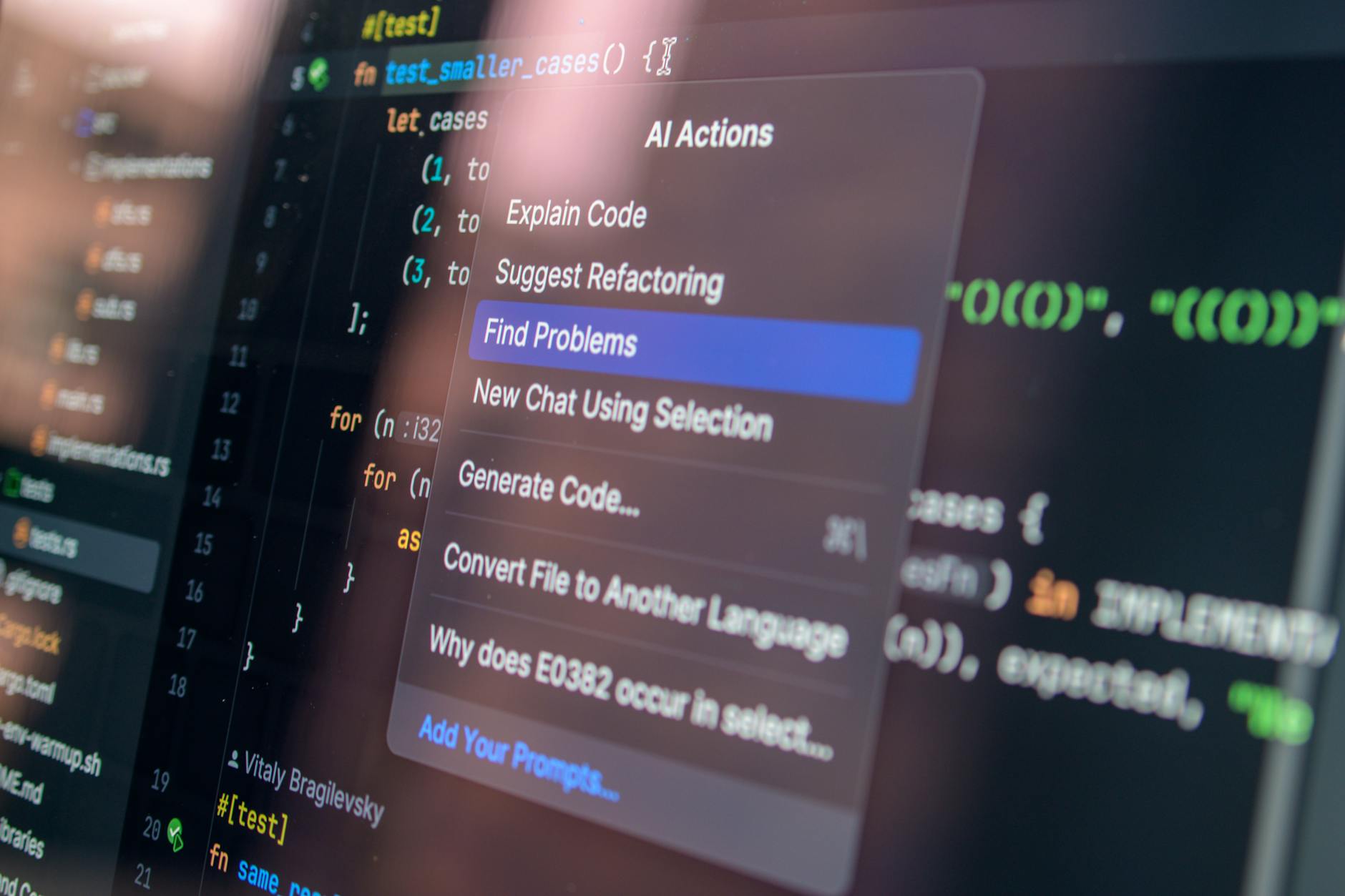
From AI-generated code entering software supply chains to the EU moving to wall off U.S. cloud platforms, today's stories reveal how technical and geopolitical risk are converging fast. Decision-makers who treat these as separate problems are already behind.
Your fan is screaming during a video call and you have 30 tabs open. Tab Resource Monitor shows you exactly which one is the culprit in about five seconds.

From Anthropic's blunt warning about software casualties to a global watchdog flagging private credit risk in AI infrastructure, today's stories reveal that the AI buildout is creating winners, losers, and systemic vulnerabilities simultaneously. The signal isn't just growth — it's exposure.
You typed 'grilled chicken salad' into your food tracker and spent three minutes matching it to a database entry that is almost right but not quite. FastCarb takes that same description and returns carb counts, calories, and meal cost before you close the app.

Enterprise AI is minting real revenue while OpenAI quietly misses targets—and beneath both stories, the physical and operational infrastructure supporting AI is coming under sharper scrutiny. Today's signals separate the hype cycle from the compounding build.

In one 24-hour window, Anthropic struck deals with Wall Street giants and fintech leader FIS, OpenAI's GPT-5.5 landed on Databricks, and Cerebras lined up a blockbuster IPO. The infrastructure layer of enterprise AI is consolidating fast—and the capital is following.
You copied a customer ID, a tracking URL, and a code snippet in the same hour. Now you need the first one and it's buried under everything else. Clipboard+ keeps the whole history searchable and turns your most-used text into two-keystroke shortcuts.
You found the bug. Now you're spending 15 minutes stitching together screenshots, blurring out a customer email, and uploading everything to a third-party server you didn't sign off on. MarkUpShot cuts that entire chain down to one browser tab — no uploads, no accounts, no waiting.

On the same day, Anthropic and OpenAI independently moved to restrict access to their most capable AI tools—signaling that dual-use risk is now a first-order product and policy constraint. Meanwhile, Microsoft's $10B Japan commitment and Anthropic's pricing overhaul show how the AI infrastructure race is reshaping enterprise and geopolitical strategy simultaneously.

Your reading wishlist lives in three different notes apps and a browser tab you're afraid to close. MyBookShelf puts every book you've read, are reading, and want to read in one private place — no algorithm deciding what you should feel about your progress.
You're mid-sprint, you need your React DevTools, and it takes you four clicks and a scroll through a wall of icons to find it. Extension Manager puts every toggle in one dashboard — grouped by how you actually work.

Three Anthropic stories in one day signal a company moving fast on agent architecture, security, and AI identity—while OpenAI's supply chain incident and bank warnings about AI show the operational risk layer is no longer theoretical.
Your 15-minute standup ran 22 minutes, covered the same blockers as yesterday, and was forgotten by 2pm. DailySync replaces the whole thing with a structured two-minute async update your team can read when they're actually ready to read it.

From a model deemed too dangerous to release to agentic architecture built for scale, today's stories reveal how AI capability growth is colliding with security, governance, and market confidence simultaneously. The signals point to a structural shift in how enterprises, investors, and policymakers will price AI risk.

From Anthropic's Big Tech cybersecurity alliance to OpenAI throttling a model launch over security concerns, the industry is confronting the operational risks of shipping AI at scale. Today's stories reveal that trust, not capability, is now the bottleneck.
You rebuilt the same research session from memory for the third time this week. Tab Master syncs your tab groups to the cloud so the next device you open already has everything waiting.
A US-Iran ceasefire is repricing energy and equities in real time, while Anthropic's decision to withhold its most powerful model signals a new era of AI capability governance. These aren't isolated events — they're stress tests for how institutions handle systems too powerful to fully control.
You had the customer ID. Then you copied a URL. Then a commit hash. Now the ID is gone and you're digging through Slack messages to find it again. Clipboard+ keeps everything you've copied today — searchable, pinnable, and ready to expand into full templates from a two-letter abbreviation.

From Bezos's new lab poaching xAI talent to Anthropic's next model raising dual-use alarms, AI capability and security risk are converging fast. Meanwhile, engineering delays at Apple, market anxiety over geopolitical deadlines, and AI agents entering procurement round out a day defined by execution risk.
You spent the morning building a focused research session across 14 tabs. You closed your laptop. Now you're at your desktop and every single one of them is gone. Tab Master syncs your tab groups to the cloud so that session is waiting for you on any device, instantly.

From Trump tariff escalation rattling commodity playbooks to federal AI deployments drawing hard scrutiny, today's stories trace a single fault line: the gap between how fast technology and policy move and how slowly risk is being priced. Builders and operators need to close that gap now.
You think you spent 20 minutes on social media today. Blockme MotherFocus will show you it was 94. Here's what happens when you actually see the number.
Three Anthropic stories in one day tell a larger story about AI governance stress-testing labs in real time. Meanwhile, OT cybersecurity costs and federal prediction market preemption show where platform risk is quietly accumulating.
You're mid-sprint, Chrome is crawling, and the one extension you actually need is buried under 40 others you forgot you installed. Extension Manager fixes this in under two seconds.

From a landmark AI liability lawsuit to Anthropic locking down third-party agent access, today's stories reveal how governance and control are becoming the defining battlegrounds in tech. Decision-makers who read the fine print now will avoid costly surprises later.
Your fan is screaming mid-call and you have 30 tabs open. Tab Resource Monitor shows you exactly which one is responsible — no guessing, no closing tabs one at a time.

A geopolitical strike on cloud infrastructure, a market shock tied to Trump's Iran address, and OpenAI's media acquisition reveal how physical, financial, and informational layers of tech risk are converging. Today's stories reward readers who think across threat surfaces, not just verticals.
Your daily standup burns 15–20 minutes of focused time, and half the blockers mentioned in it are invisible again by afternoon. DailySync cuts the meeting entirely — structured async updates in two minutes, with blockers that stay tracked until someone resolves them.
From AI labs racing to own infrastructure to markets reeling from Trump tariff signals, today's stories share a common thread: control over critical resources is being contested at every layer. Decision-makers who miss these shifts risk being priced out or caught flat-footed.
You found the bug. Now you have to prove it exists to three people who weren't watching your screen. MarkUpShot annotates, redacts, and exports in the same tab — no uploads, no accounts, no waiting.
From a record-breaking funding round to leaked source code and new silicon purpose-built for agentic AI, today's stories reveal the accelerating industrialization of AI—and the new risks that come with it. Decision-makers building on or around AI platforms need to pay close attention.
You described lunch to a coworker in one sentence but spent eight minutes finding it in a food database. FastCarb lets you log that same meal in plain English and hands back the carb count before you close the app.

Platform AI decisions at Microsoft and Apple are reshaping the competitive map for enterprise and consumer software simultaneously. Meanwhile, geopolitical and cybersecurity pressures are forcing infrastructure and market recalibrations that technical leaders can't ignore.

From Capgemini's diagnosis of why AI transformations stall to BofA's semiconductor rankings amid memory panic, today's signals point to a widening gap between AI promise and execution reality. Decision-makers need to understand where capital and capability are actually converging.
You pinned a mental note to a product page you're watching, then lost it the moment you closed the tab. PinNote sticks the actual note to the actual page — and it's still there when you come back tomorrow.

From Dell's finance team running on AI agents to the EU treating software vulnerabilities as product liability, the lines between experimentation and accountability are hardening fast. Today's stories reveal where real operational bets are being placed—and what the regulatory and market environment demands in return.

You just got out of a meeting with three pages of raw notes and zero idea what anyone is supposed to do next. AI Notepad turns that mess into structured action items before you close your laptop.

The Guardian reported a new development in finance.

If every major decision routes through you, you're not leading — you're a single point of failure. Here's a structural framework for engineering managers who want to build teams that ship confidently without waiting for permission.

Most people can tell you their checking balance and their mortgage payment. Ask them their actual net worth and they go quiet. WealthTrackr gives you that number in real time — and shows you exactly what's dragging it down.

OpenAI just repositioned its Responses API as the foundation for autonomous agents, and a nine-month-old startup with no product just raised $94M on that exact bet. Here's why this changes what you should be building right now.
AI agents are already writing production code at scale — and the engineers who think their job is to write less code are going to be the first ones made redundant by the ones who figured out what the real job is now.

Your "currently reading" list lives in three different places and none of them are accurate. MyBookShelf fixes that in about two minutes.

For 18 years, AWS S3 used a single global namespace where any attacker who knew your bucket name could attempt to register it in another account. AWS just ended that — and most teams are treating it as a security win when it's actually an operational trap.
Meta is spending $135 billion on AI infrastructure while cutting 700 jobs this week alone. The companies copying this playbook without understanding it are about to learn an expensive lesson.

Every YC demo day produces a list of "most interesting startups" that tech Twitter obsesses over for 48 hours and forgets. The real signal isn't which companies pitched — it's what the entire batch reveals about where software's center of gravity is moving.
A single obfuscated script injected during `configure` nearly handed attackers SSH access to millions of Linux servers. Two years later, most teams are still auditing the wrong thing.

With users increasingly turning to Reddit for queries, Google's grip on search is faltering. Here’s why this shift is a chance for new search engines to emerge.
In November 2020, the RIAA's DMCA takedown of YouTube-dl caught developers off guard, jeopardizing open-source projects that millions depend on. Here's how to safeguard your workflow.

OpenAI's recent board shakeup has sent waves through the AI sector, affecting ongoing projects and future plans. Here's how to adapt and stay ahead in turbulent times.

I hit my monthly LLM usage limit and was forced to slow down. What felt like a setback turned into one of the most valuable learning moments for how I think, work, and use AI tools.

Most businesses don’t fail from lack of effort—they fail from not learning fast enough. Here’s how identifying what works (and what doesn’t) leads to a cleaner business model and a simpler, higher-converting website.